

Artificial intelligence is changing the world at an extraordinary pace.
From writing emails and creating artwork to helping doctors diagnose illnesses and supporting scientific research, AI is already transforming the way we work and live. By the time today’s toddlers reach adulthood, many of the careers we know today will look very different.
As parents, it is natural to wonder:
How can I prepare my child for a future that nobody can accurately predict?
While technology will undoubtedly continue to evolve, one thing seems increasingly clear.
The skills that will matter most may not be the ability to memorise information, but the ability to think creatively, solve problems, communicate effectively and adapt to change.
This view is increasingly shared beyond education. A recent World Economic Forum report on human-centric skills argues that as artificial intelligence transforms the workplace, organisations are placing greater value on the uniquely human capabilities that enable people to innovate, collaborate and adapt to change.
Interestingly, these are exactly the skills that begin developing through play during the early years.
Skills Needed for AI: They Begin in Early Childhood
When people search for the skills needed for AI or the AI skills required for future careers, they often expect technical answers such as coding or data science.
While those skills may become increasingly valuable, the foundations begin much earlier.
Before children learn programming languages, they first learn how to think.
The future workforce will still need people who can:
- Think creatively.
- Solve unfamiliar problems.
- Work collaboratively.
- Communicate ideas clearly.
- Adapt to change.
- Ask thoughtful questions.
- Show empathy and emotional intelligence.
These are qualities that artificial intelligence can support, but not replace.
How Creativity Helps Children Thrive in an AI World
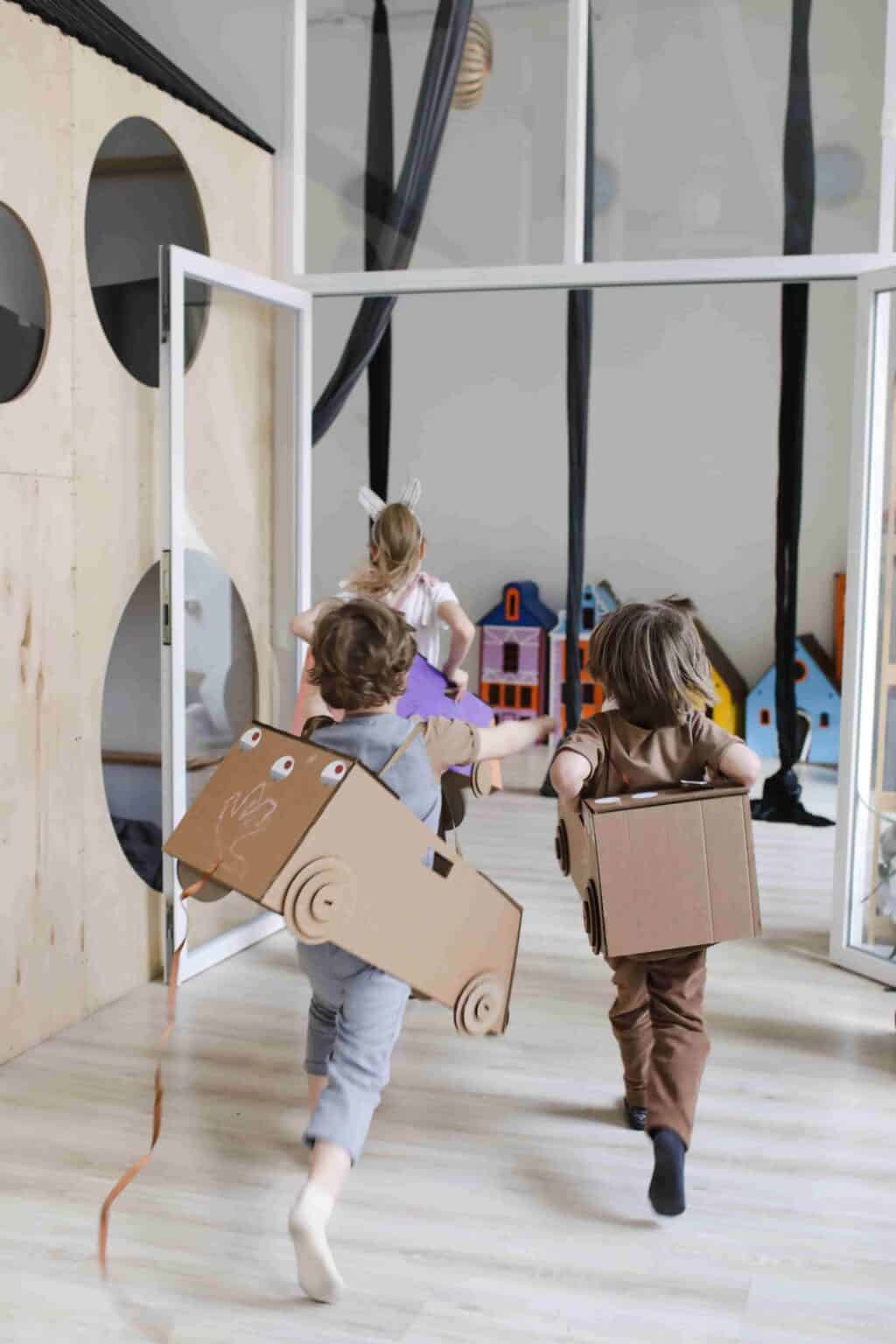
One of the greatest strengths of artificial intelligence is its ability to process vast amounts of existing information.
Human creativity is different.
Children imagine worlds that have never existed. They invent stories, solve problems in unexpected ways and make connections that nobody has taught them.
Albert Einstein is often credited with saying:
“If you want your children to be intelligent, read them fairy tales. If you want them to be more intelligent, read them more fairy tales.”
Whether or not those exact words were recorded, the sentiment remains powerful.
Stories, imagination and pretend play encourage children to think beyond what already exists. Creativity is not simply about art—it is about generating new ideas, exploring possibilities and seeing problems from different perspectives.
As AI becomes better at reproducing existing knowledge, original thinking may become even more valuable.
Why Communication Skills Will Always Matter in an AI World
Artificial intelligence can generate words.
It cannot replace genuine human relationships.
Children who learn to communicate confidently are developing skills that will remain essential throughout their lives.
Communication helps children:
- Build relationships.
- Explain their thinking.
- Work with others.
- Resolve disagreements.
- Develop empathy.
- Understand different viewpoints.
These skills begin with everyday conversations, storytelling, role play and meaningful interactions with caring adults.
Why Curiosity Is the Most Important Skill for an AI World
Perhaps the most important skill of all is curiosity.
Technology changes quickly.
The people who thrive are often those who continue learning throughout their lives.
Curious children naturally ask questions.
They experiment.
They investigate.
They make mistakes and try again.
Rather than fearing change, they become excited by discovering something new.
Curiosity is what drives innovation, scientific discovery and lifelong learning.
Problem-Solving Cannot Be Memorised
Many of tomorrow’s jobs have not yet been invented.
That means children cannot simply memorise the answers they will need.
Instead, they need to develop confidence in solving unfamiliar problems.
Building towers that collapse.
Working out how pieces fit together.
Negotiating with friends during imaginative play.
Finding another way when something doesn’t work the first time.
These everyday experiences are helping children build flexible thinking that will serve them throughout life.
Why Social and Emotional Skills Will Matter More Than Ever
Ironically, as technology becomes more advanced, the qualities that make us human become increasingly valuable.
Empathy.
Kindness.
Teamwork.
Listening.
Understanding emotions.
These are skills that support leadership, collaboration and healthy relationships throughout life.
Children develop these qualities through play, friendships and shared experiences—not through screens.
Why We Don’t Teach Formal AI Lessons at The Nook Nursery
Parents sometimes ask whether young children should begin learning more formally to prepare for the future.
Our answer is that the strongest preparation begins with developing the child, not the technology.
At The Nook Nursery, we follow a curiosity-inspired, child-led approach because we believe children learn best through play-based learning where they develop creativity, communication, problem-solving and confidence through meaningful experiences.
Rather than formal lessons, we create environments where children can:
- Explore independently.
- Solve problems.
- Ask questions.
- Build confidence.
- Develop communication skills.
- Use their imagination.
- Learn through play and discovery.
These experiences are helping children develop the foundations that will support them throughout education—and in whatever future awaits them.
Preparing Children for Success in an AI World
Nobody knows exactly what the world will look like twenty years from now.
Artificial intelligence will continue to evolve.
New careers will emerge.
Technology will change.
But creativity, curiosity, communication, resilience and problem-solving have always helped people adapt to change.
Interestingly, these are many of the same skills that Reception teachers describe as essential for school readiness—independence, communication, confidence and emotional development. They are not simply important for starting school; they are qualities that may help children thrive throughout their lives.
At The Nook Nursery, we believe these qualities begin developing from the earliest years through play, exploration and meaningful relationships.
Because while we cannot predict the future, we can help children become confident, curious learners who are ready to embrace it.